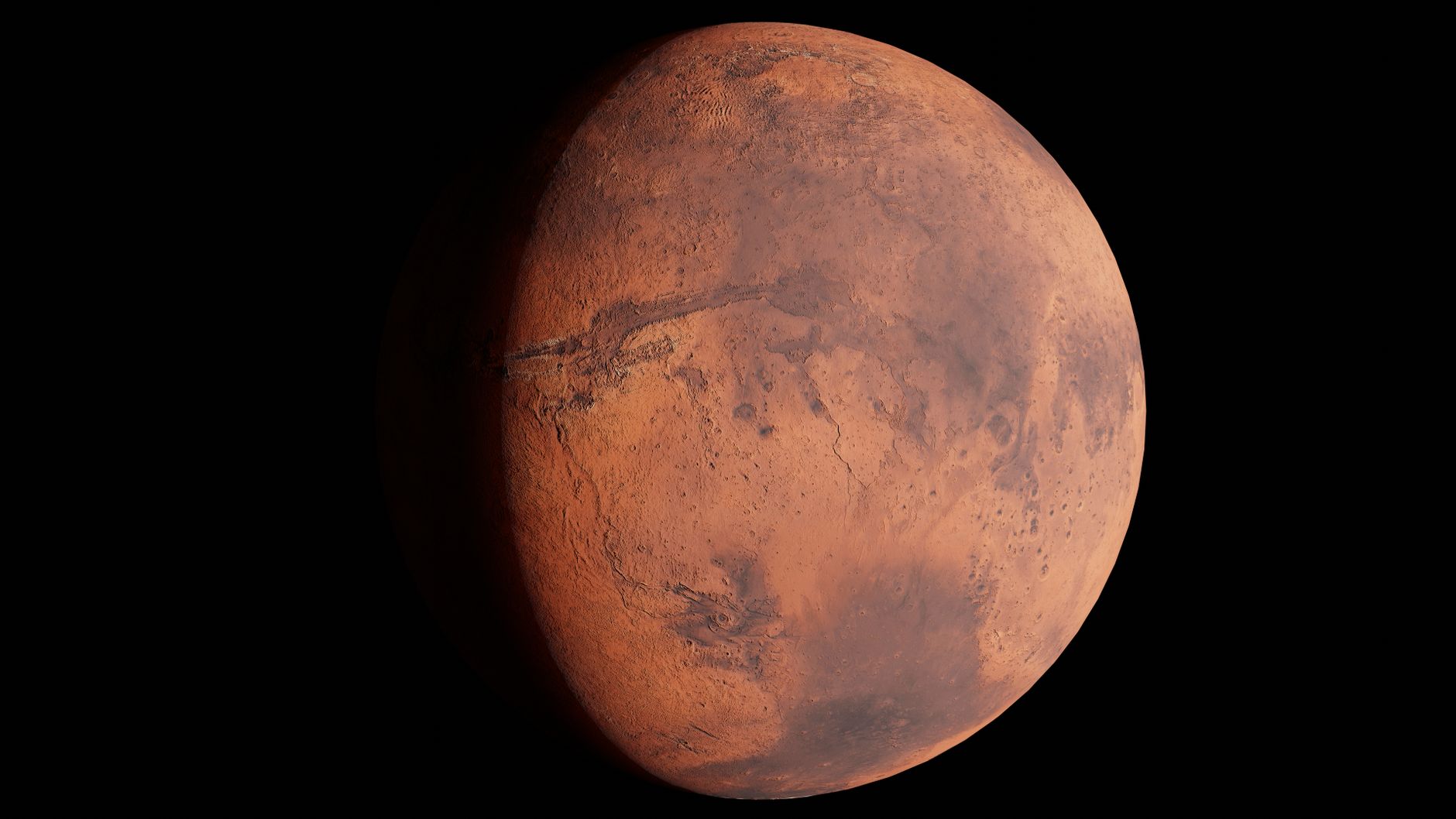
planet
Mars
A red dot that becomes a world — polar cap and all.
0.8 au
An astronomy and stargazing app — sky maps, telescope guides, dark-sky events, and the clubs that gather when the moon's away.
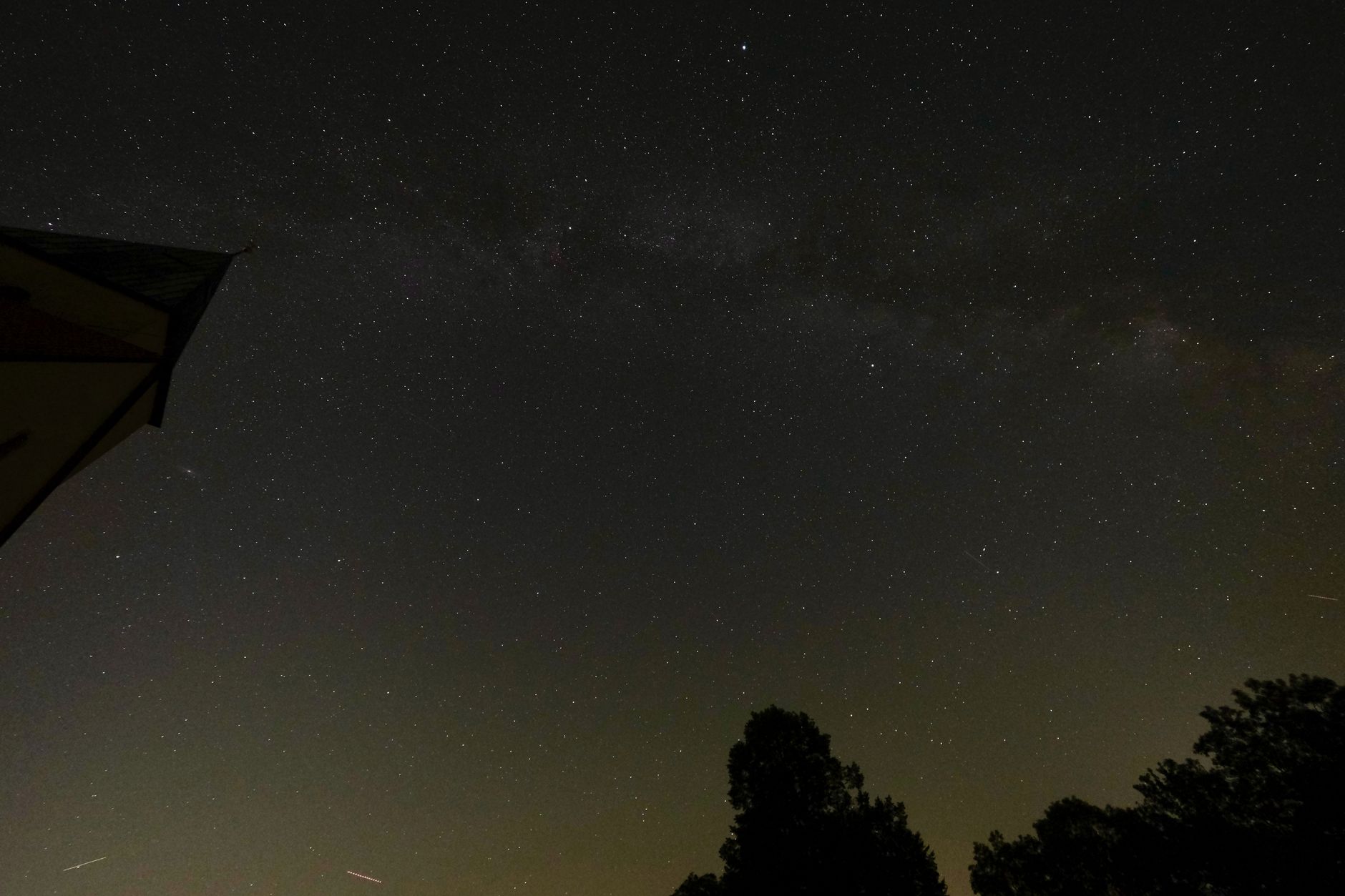
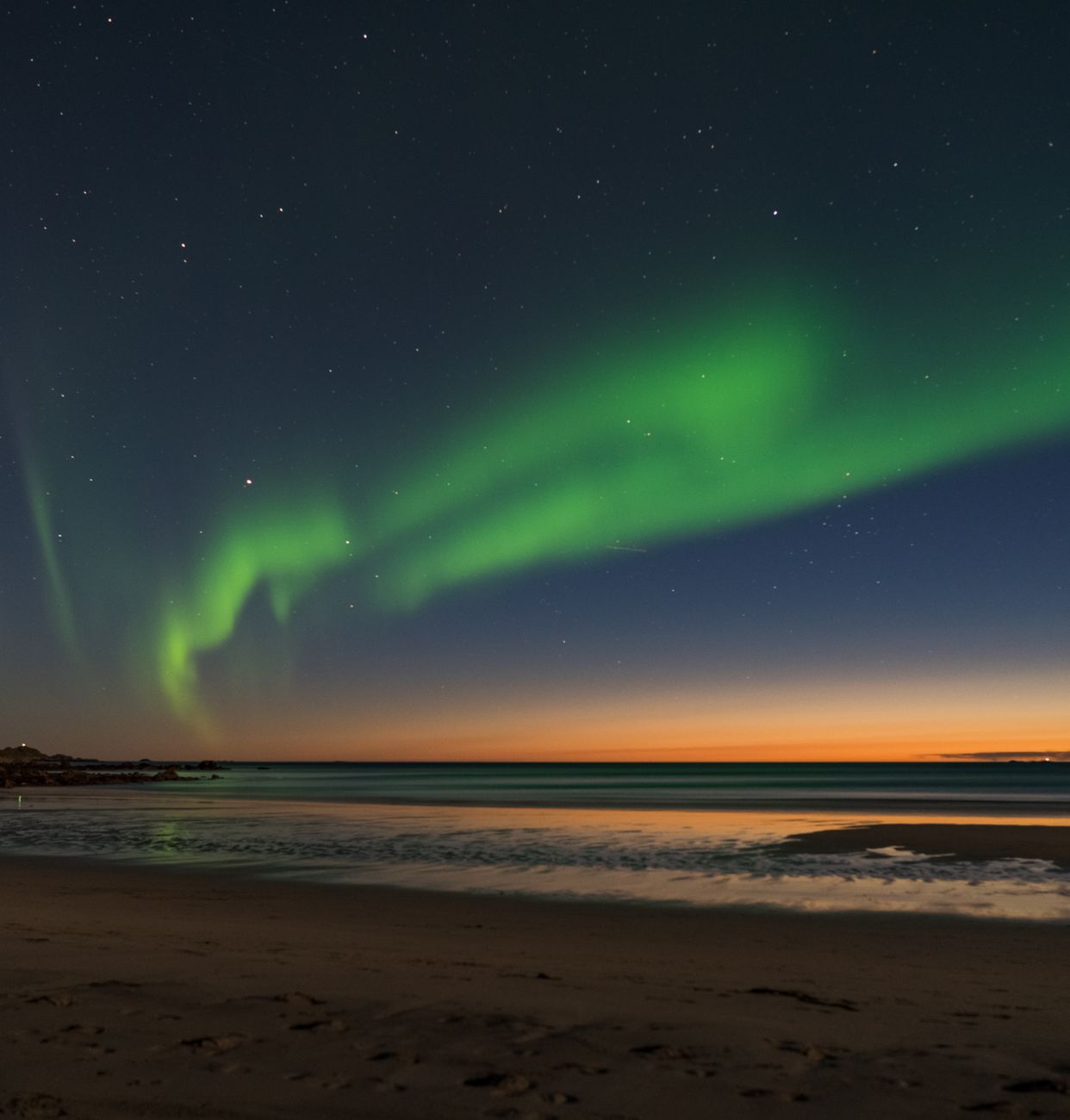
Three steps to your first object.
Tell vantage where you are and when you'll be out. It computes what's rising, what's bright, and what's worth the eyepiece.
Star-hop from a bright anchor to the object, or let a goto mount find it for you.
Save what you saw, share it with your club, and build a lifetime observing log.
The sky does the rest.
Planets, deep-sky objects, and the ISS, plotted for your exact latitude and time.
Bortle-classed light-pollution maps to find the darkest sky you can reach.
Meteor showers, eclipses, and conjunctions — every peak date, on your calendar.
Honest advice on scopes, mounts, and eyepieces, from aperture to eye relief.
4,000+ observing clubs, searchable by city, with gear lending.
Live 24/7 feeds from the ridge and the desert, when it's cloudy at home.
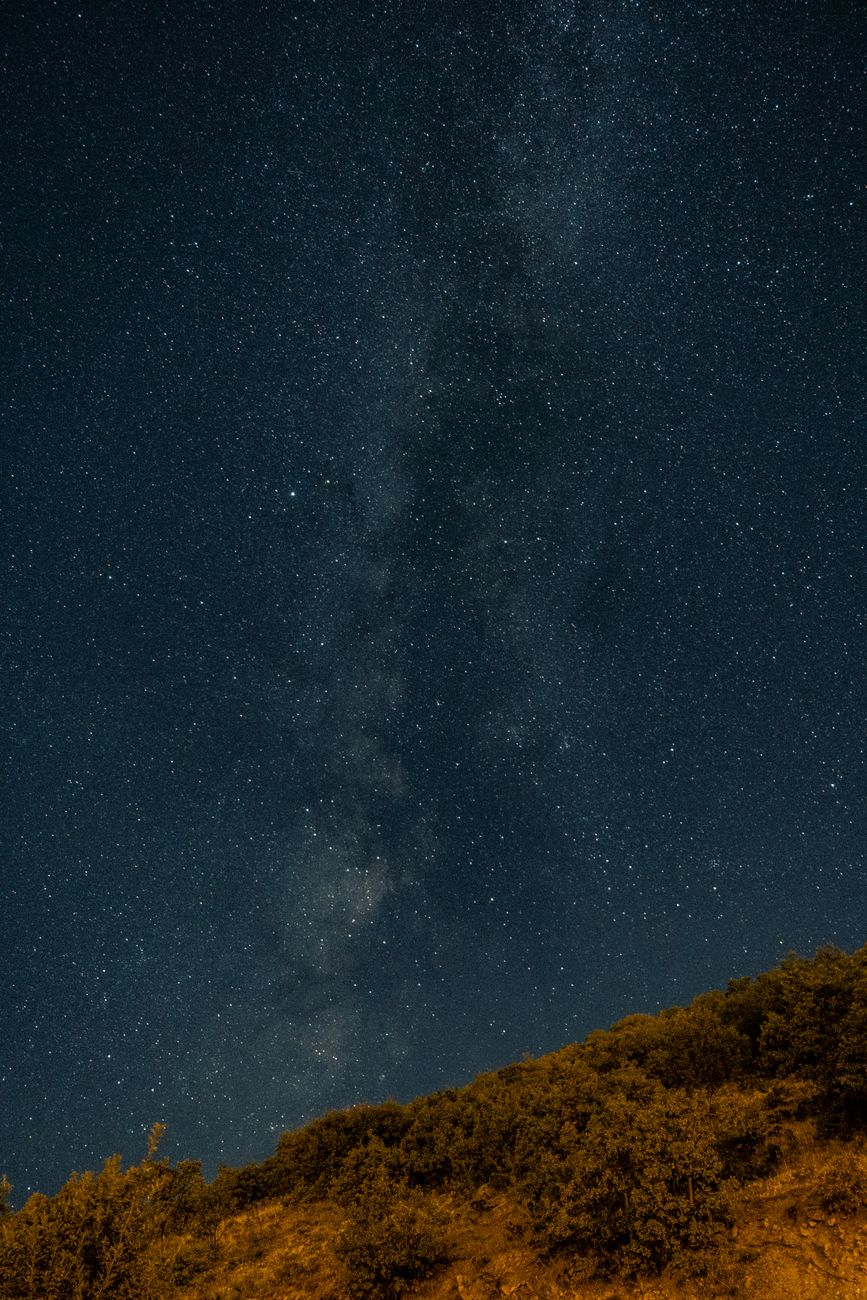
Shot under a dark sky.
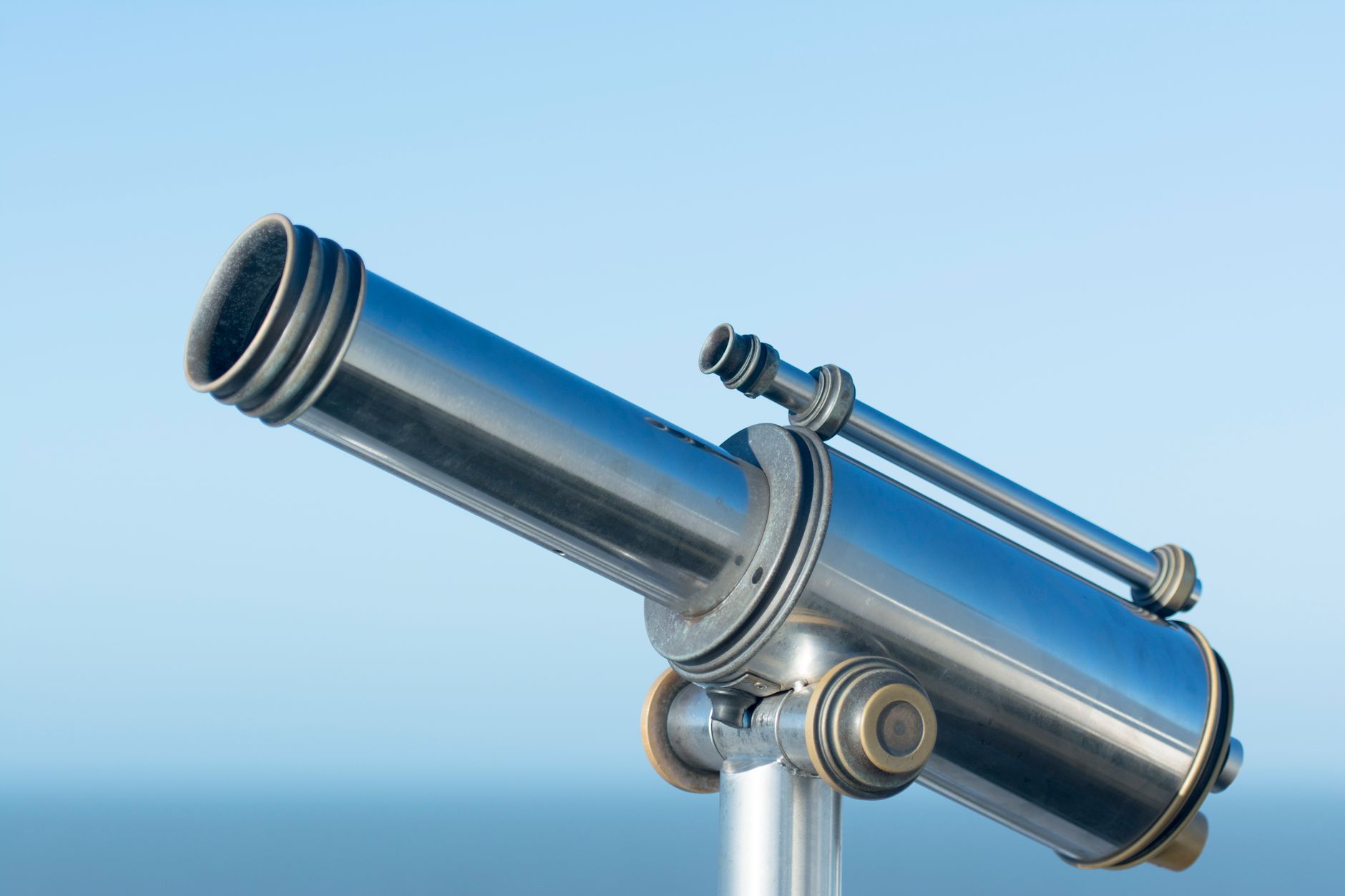
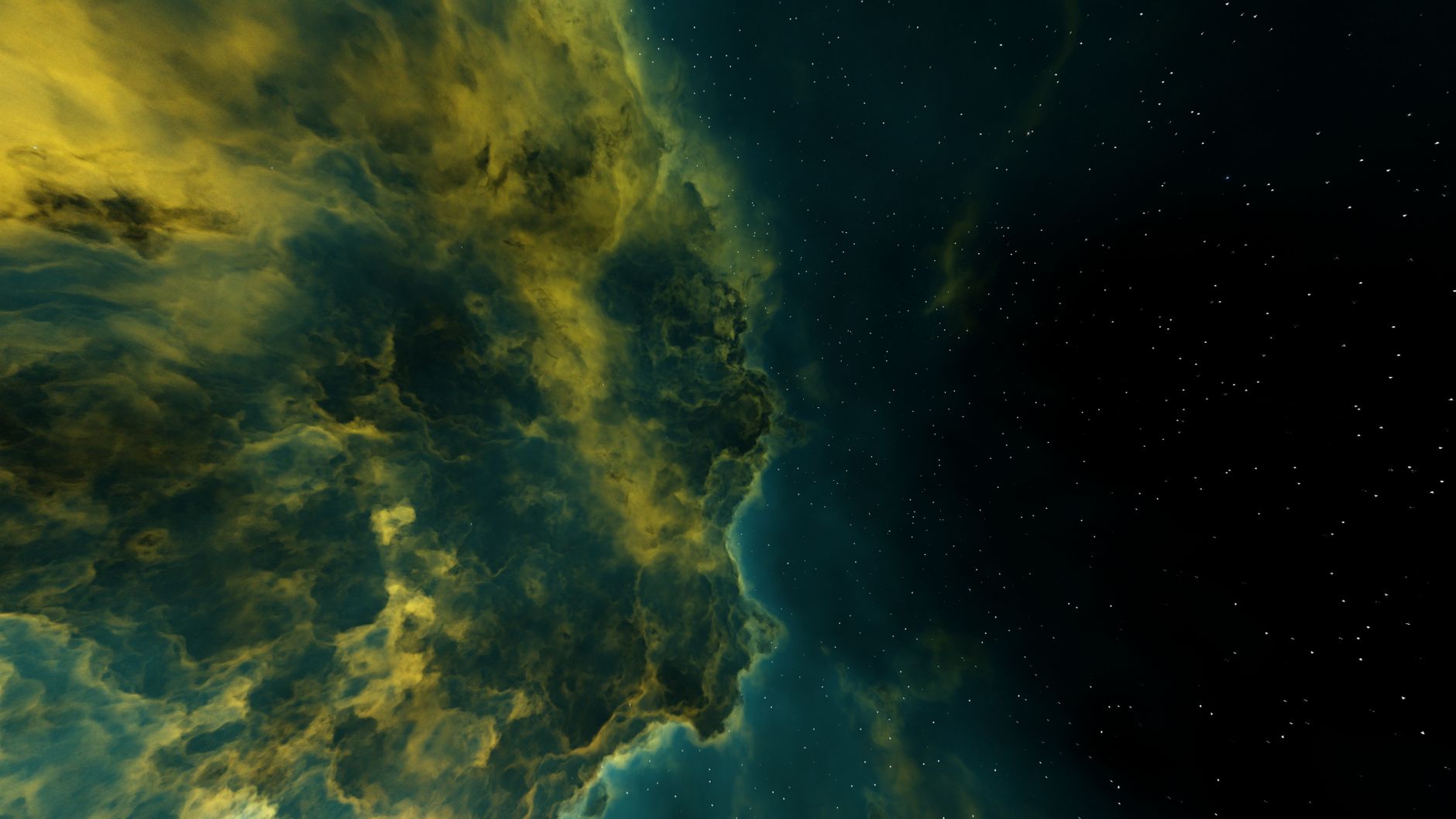
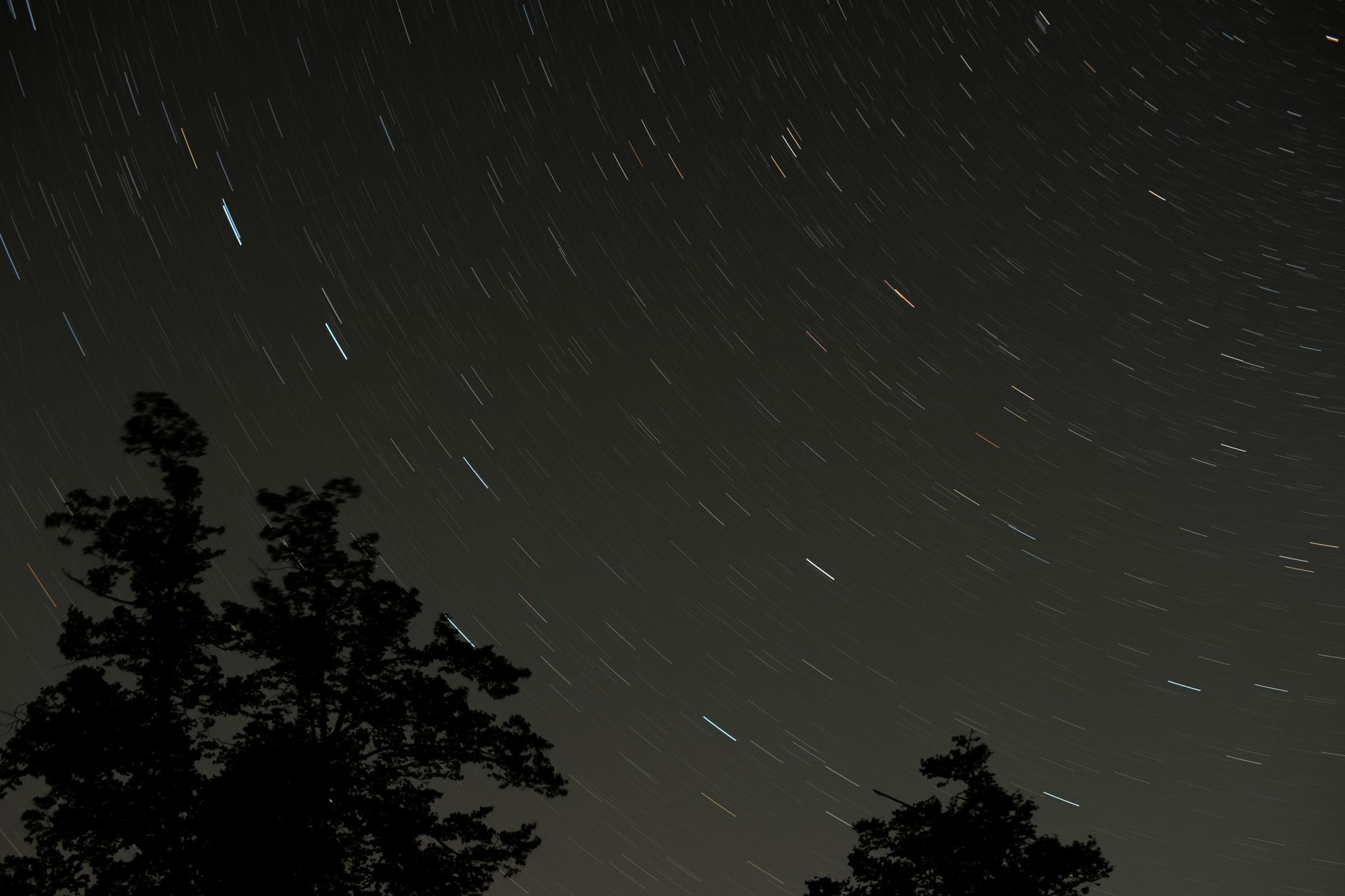
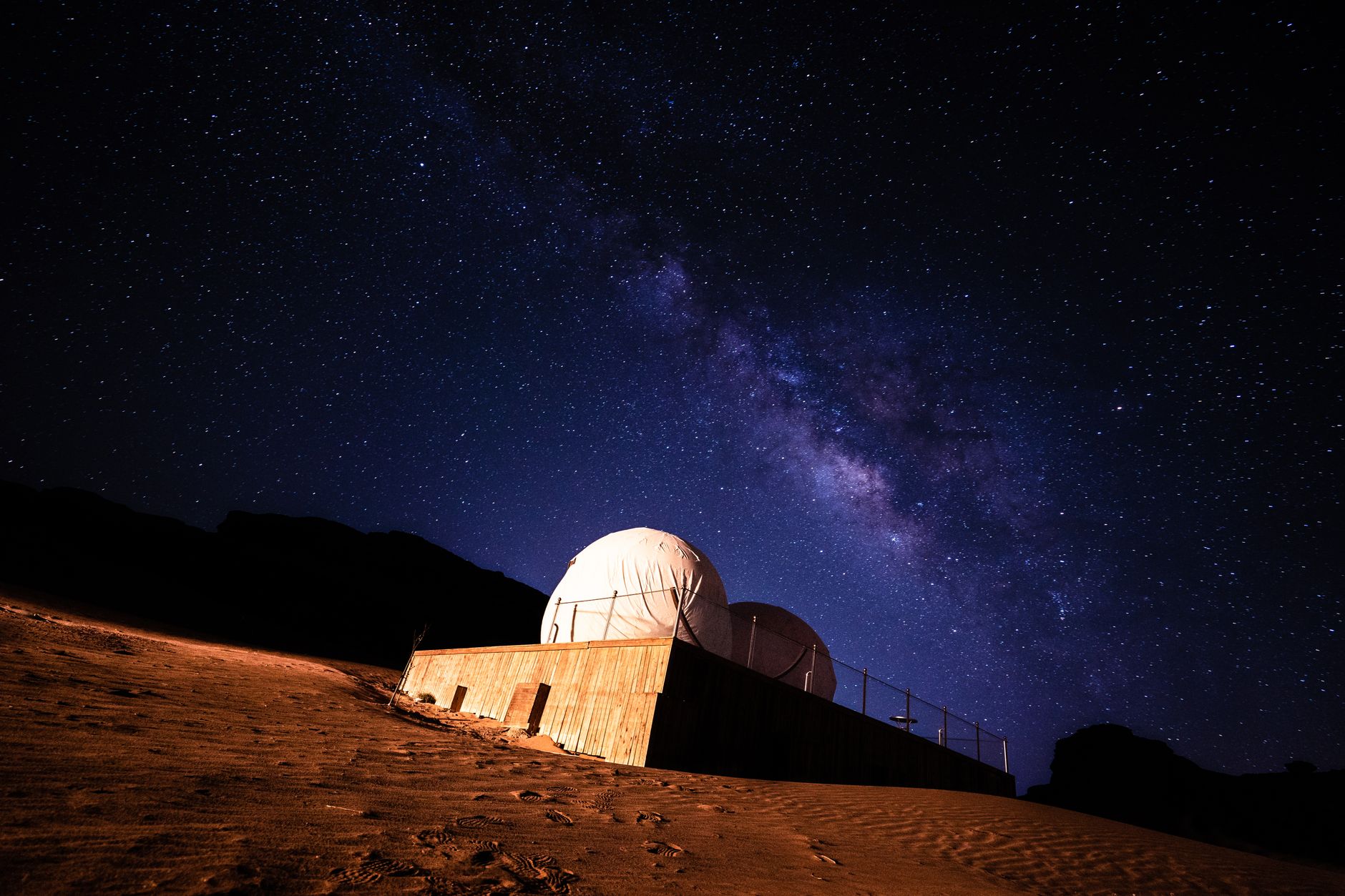
A constellation, drawn one star at a time.
Cassiopeia is five bright stars and a story. Watch the lines connect — that's how every constellation was found, by people who looked up long enough to see a shape.
One night, compressed to a minute.
The objects that hook you.
A red dot that becomes a world — polar cap and all.
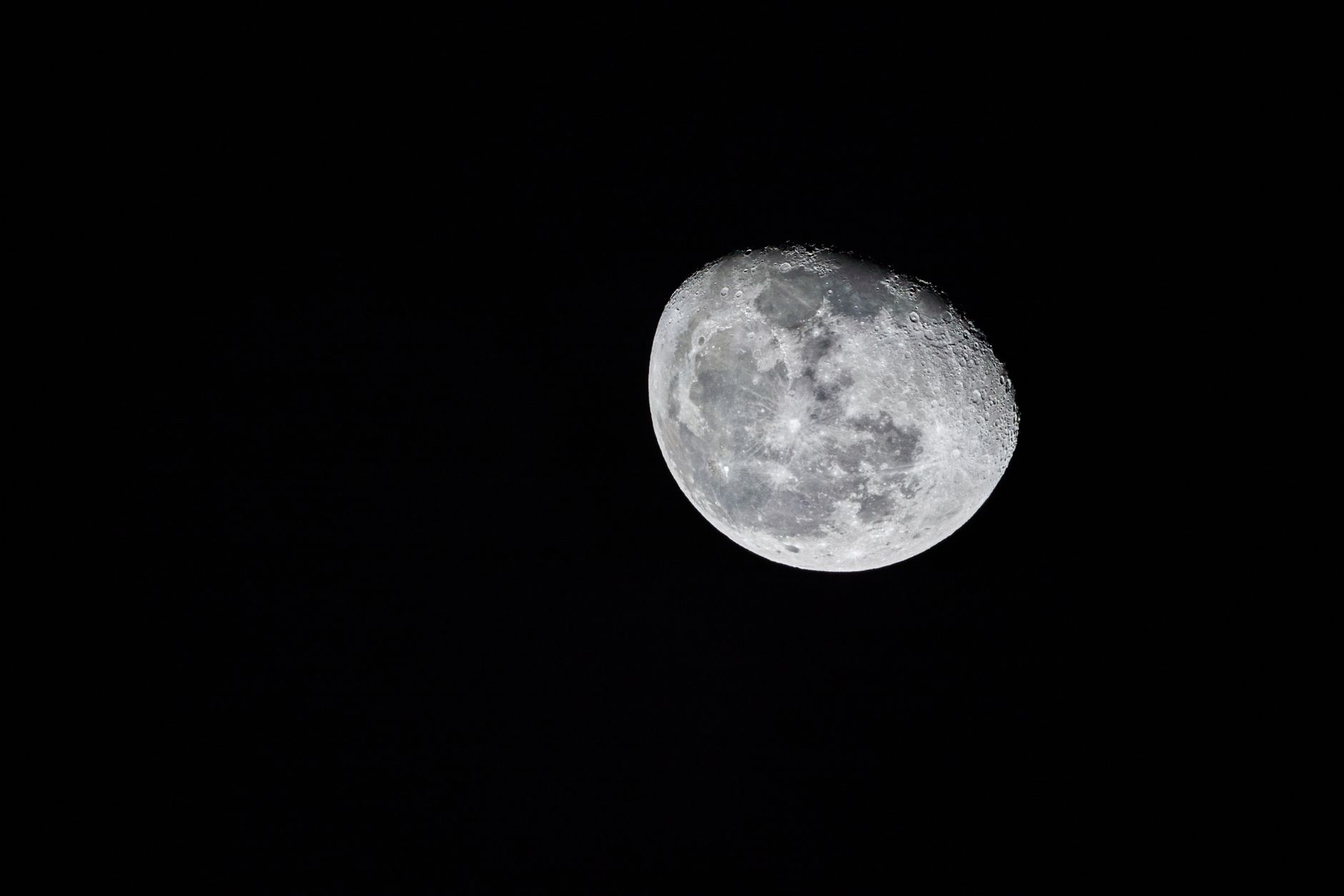
Craters, maria, and the terminator's razor edge.
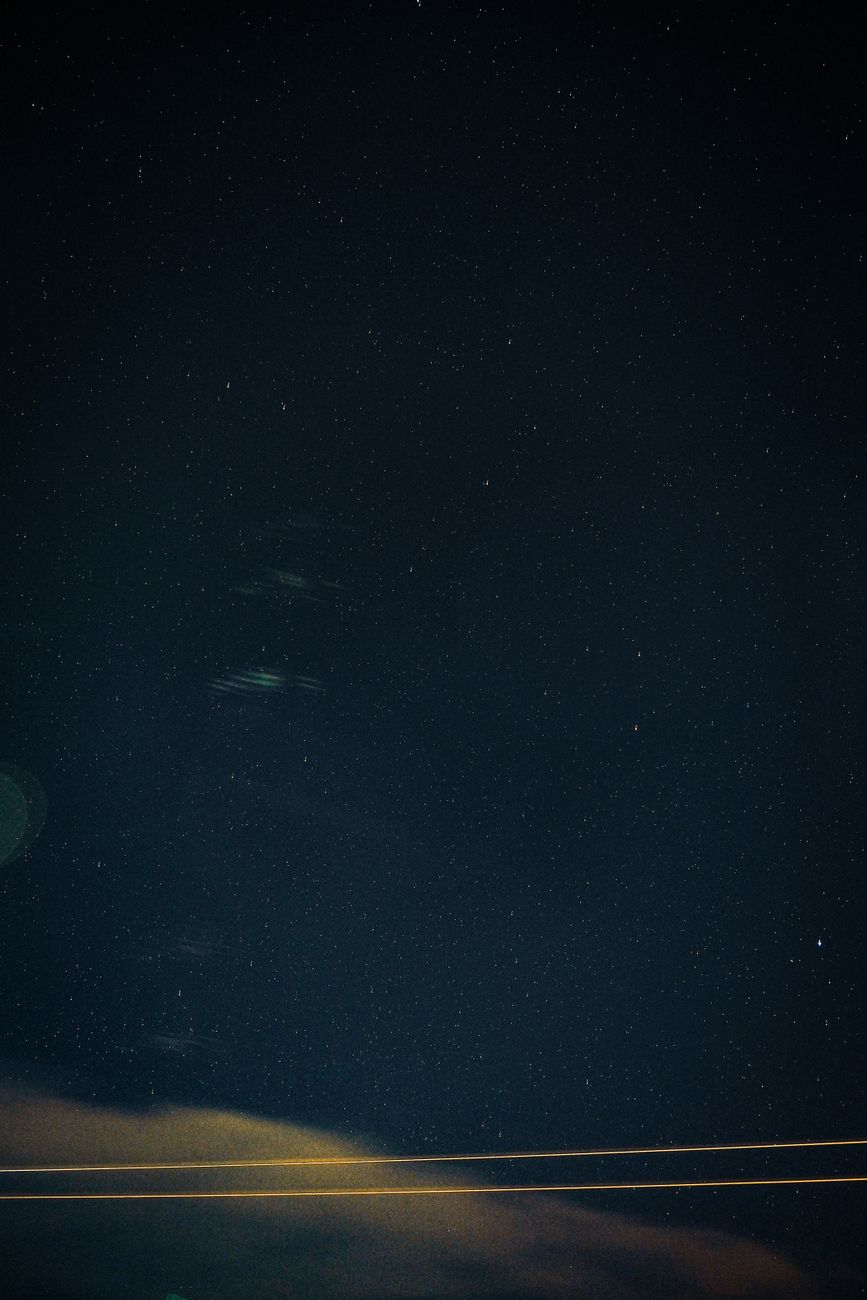
2.5 million light-years, and it's coming to us.
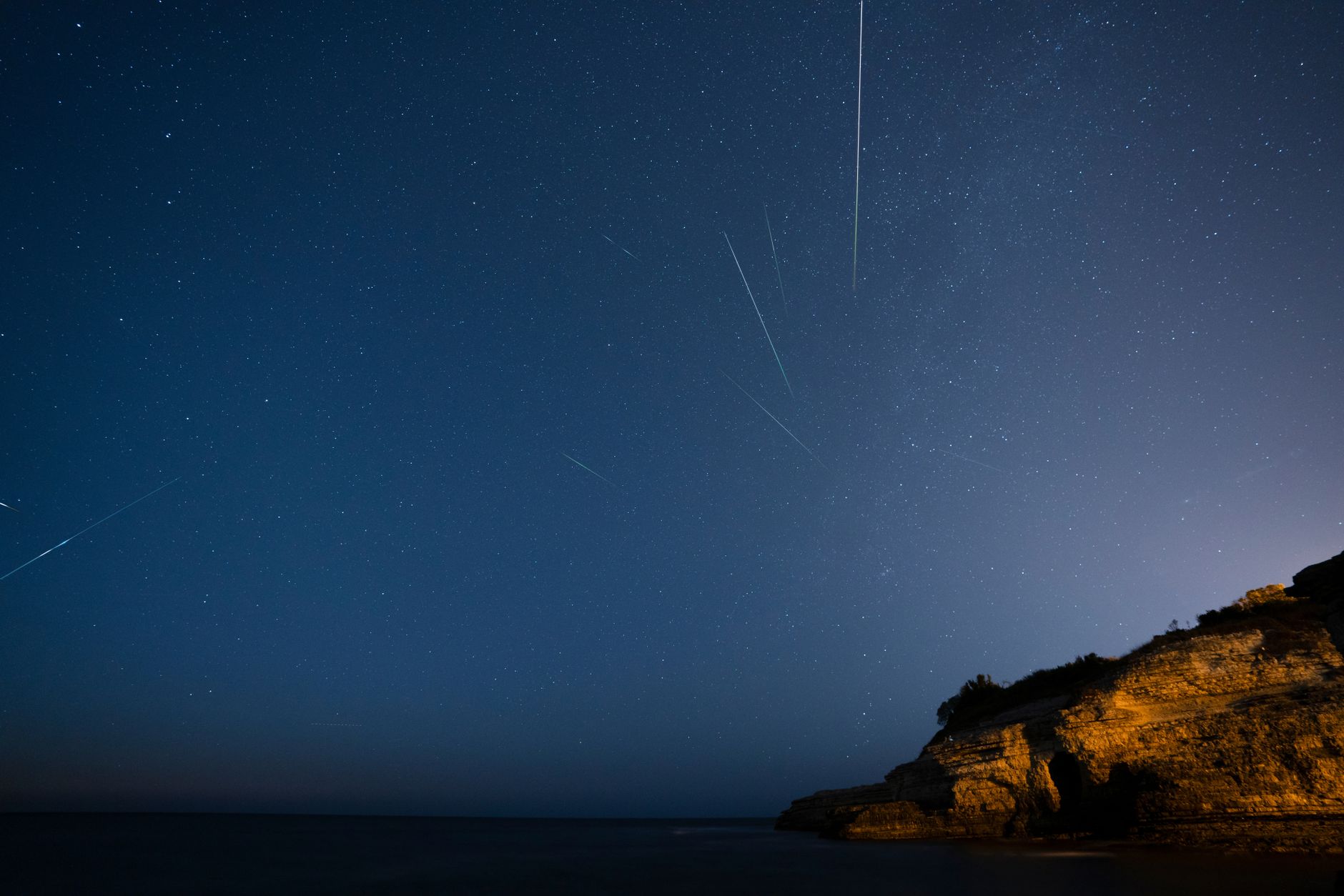
120 meteors an hour, and the one that left a train.
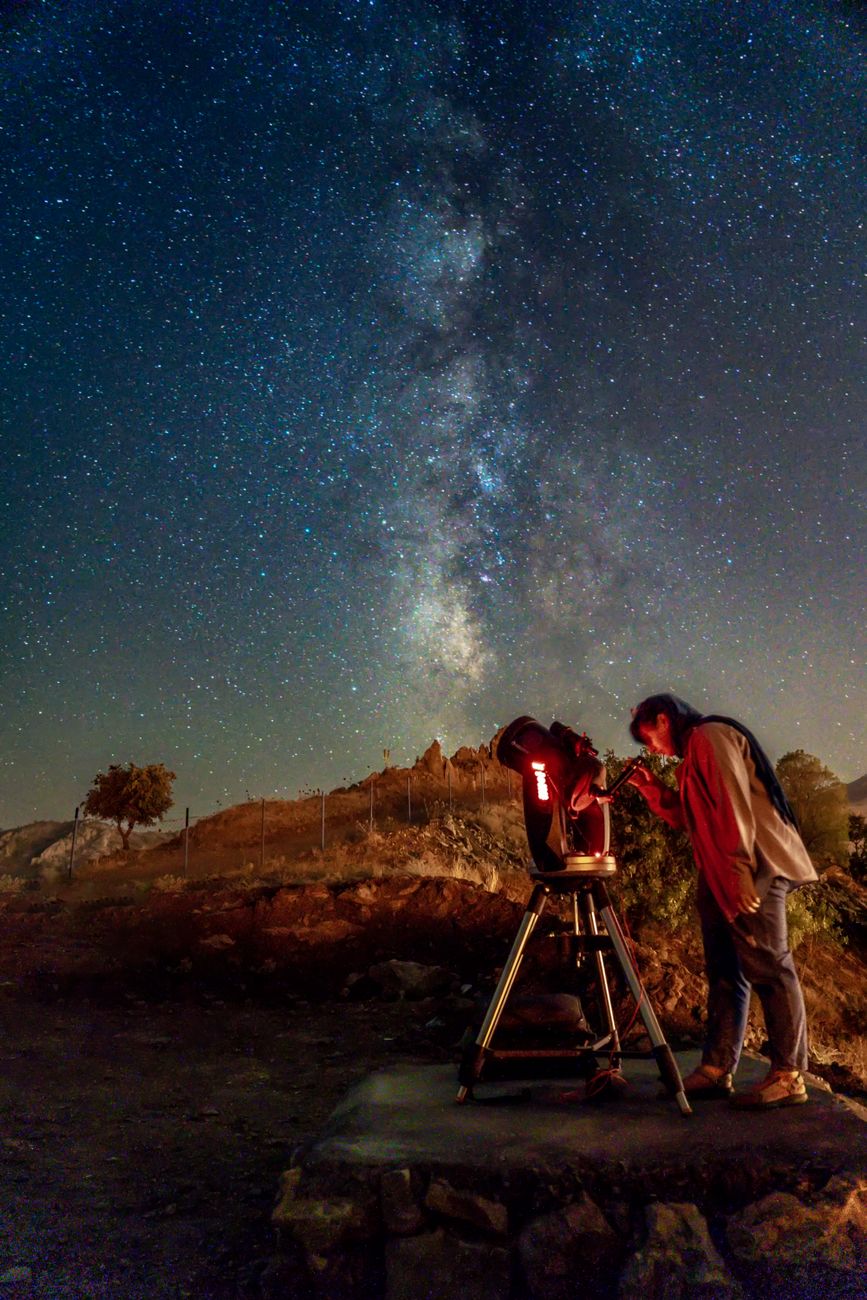
Everyone remembers their first Saturn. Mine was through a borrowed 6-inch dob, in a field outside town, with a stranger's hand guiding the eyepiece. I looked. I said a word I won't repeat here.
The thing about Saturn is that you know exactly what it looks like — you've seen it a thousand times in books and posters. But when it's hanging there in the eyepiece, tiny and perfect and real, something clicks in your chest that no image ever clicks.
That's what vantage is for. Not the pictures. The click. We do the math — what's up, where, when, is the sky dark enough — so you can do the looking.
Live, from our backend.
What people see.
"I've owned the scope for two years and never found anything. Vantage found me Saturn in twenty minutes."
"The dark-sky map is worth the whole app. I drove 40 minutes to a Bortle-2 and my jaw is still on the ground."
"My daughter asked to go back out the next night. That's never happened with anything else."
Where we're going.
Sky maps + 42k deep-sky catalog, live in beta.
Augmented star-finder — hold up your phone and see the sky labeled.
Scope control — drive a goto mount from the app.
vantage hardware: a smart eyepiece that logs what you're seeing.
look up.